

Chimney rebuilds and flue decisions in Colee Hammock
A rebuild starts with a clear removal boundary, agreed with you before any brick comes down.
- Owned and run locally
- Available for same-day service
- Fully licensed and insured
- Family owned and run
Damage that points toward a rebuild
- Stepped cracks down the stack
- Rust stains from failed metal ties
- Soft mortar you can scrape out by hand
- A top section that sways in the wind
Jump to
What goes into a partial chimney rebuild
Rebuilding only the part above the roof
The section above the roof takes the most weather, so it is usually the first to fail. A partial rebuild takes that section down to sound masonry, often at or just below the roof line, and relays it.
The masonry below stays in place when it is sound. That keeps the work smaller and usually leaves the interior undisturbed. We explain where the rebuild would start and how the new work joins the old. We also say what the finished top will include, so you can compare it with other options.
When the whole stack needs rebuilding
Sometimes the damage runs from the top to well below the roof, or the base itself has moved. Rebuilding the full height is a much larger project that can involve the attic, interior finishes and the footing.
We only suggest a full rebuild when the evidence supports it, and we explain that evidence in detail. The estimate breaks the project into stages, from removal through the lining and top to the roof and interior work. Where an engineer's assessment is needed first, we say so plainly.
Where new lining meets the old
In a partial rebuild, the new flue lining must meet the lining that stays below. Code rules for clay linings expect them to run from the top of the smoke chamber, or from below the lowest inlet, to a point above the chimney's enclosing walls.
Where old and new tiles meet, the joint has to be sound and smooth on the inside. If the retained lining is damaged, a rebuild does not fix it by itself. We check the lining below the rebuild line where we can and tell you whether it needs its own repair.
A chimney separating from the house
A gap between chimney and house that widens toward the top suggests the stack is moving away from the building. Failed ties, a settling base or a loose upper section can all cause it.
We look at the attachment, the base and the crack pattern before suggesting a rebuild. If the cause is in the footing or the structure, an engineer's assessment may need to come first. A rebuild then restores the upper stack and ties it back to the house properly.
How a chimney rebuild is itemized in Colee Hammock
- Clay flue tiles set as courses rise
- Fireblocking where the stack passes floors
- Mortar chosen for chimney exposure
- Structural assessment flagged where needed
Questions about chimney rebuilding
Can I use the fireplace while the rebuild is under way?
No. The fireplace stays out of use during the rebuild and while the new masonry cures. We tell you when it can be lit again, based on the materials used and the weather.
What happens to a furnace vent in the chimney during a rebuild?
If a furnace or water heater vents into the chimney, it has to be shut down or disconnected while the flue is open. We plan that step with a heating or plumbing contractor and include it in the schedule.
Can the rebuild be split into stages?
Partly. Loose masonry can be made safe first and the rebuild scheduled later. Once removal starts, though, the section is usually rebuilt in one sequence, so the chimney is not left open.
More Ways to Care for Your Fireplace


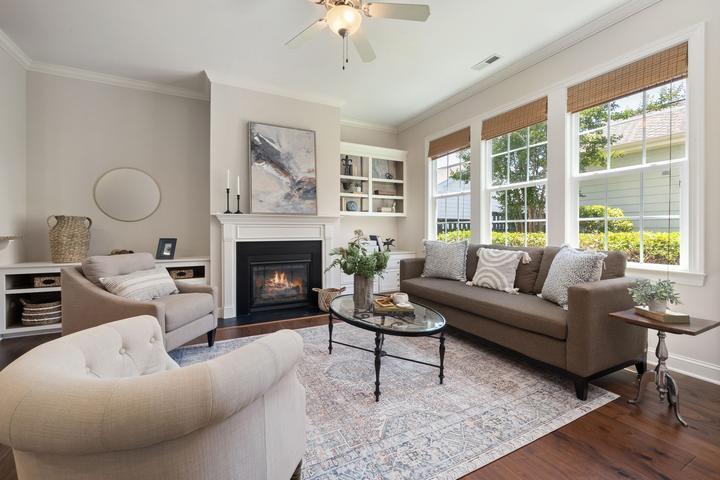


- Ventless Gas Fireplace ServiceService the identified vent-free appliance without bypassing its required safety components.
- Chimney Damper Repair and ReplacementRestore a usable damper mechanism after checking the plate, frame and control linkage.
- Smoke Chamber RepairRepair identified smoke-chamber surfaces with the access and material requirements clearly defined.
We received your request
Our team will contact you to arrange your inspection.
Chimney & Fireplace Brands We Work With

DuraVent 
Olympia Chimney and Venting 
Copperfield Chimney Supply 
Rutland 
Heatilator 
Heat & Glo