

Nest removal and chimney clean-up in Dillard Park
Our family team explains each step, from the first sounds in the flue to the cap on top.
- Owned and run locally
- Available for same-day service
- Fully licensed and insured
- Family owned and run
Clues that a bird or bat is nesting
- Chirping or chattering in the flue
- Twigs or leaves falling into the firebox
- A musky smell from the fireplace
- A damper that no longer closes
Jump to
Animal removal that follows the rules
When the noises stop on their own
Silence does not by itself mean the animal has left. It may have moved higher in the flue, gone quiet during the day or died inside. Young may also have been left behind after a parent stopped returning.
If the sounds stop, tell us anyway and keep the damper closed. We check the flue before any cap goes on. A quiet chimney still needs a clean-out if an animal has been living there. Nest material and droppings stay behind even when the animal is gone.
Cleaning up droppings from the firebox and hearth
Droppings in the firebox, on the hearth or on the smoke shelf are removed as part of the clean-out. We keep the material contained, bag it at the fireplace and carry it out of the house.
Surfaces that were soiled are cleaned where they can be reached. If droppings have stained porous brick or stone, some marking may remain, and we tell you before the work whether that is likely. The debris is hauled away with everything else. The room is left clean before we go.
An uncapped chimney and repeated animal visits
A chimney with no cap is an open invitation. Birds, bats, squirrels and raccoons can all get in, and debris and rain follow them. Many animal problems start simply because the top was left open.
Once the animal is out and the flue is clean, a screened cap is the step that stops it happening again. We size it for the flue and fix it securely. The estimate shows it as a separate item with its own price. Keep the damper closed until it is fitted.
Chase covers and animal entry
On a framed chase, the metal cover at the top has an opening for the chimney pipe. If the collar around that opening is loose, or the cover has rusted through, animals can get into the chase.
We look at the cover, the collar and the chimney cap together. If animals have been using the chase, we explain what needs replacing or sealing. That work is priced separately from the removal. We also check whether the chimney cap above it is sound.
Items in a chimney animal job
- Referral where a wildlife professional is needed
- Timing explained for protected species
- Torn or rusted screen repaired
- Cap material chosen for durability
Chimney animal removal questions, answered plainly
Should I light a fire to make the animal leave?
No. Young animals and nesting birds cannot leave, adults may come down into the room and nest material can catch fire. Keep the fireplace cold and the damper closed, and tell us what you have noticed.
Could an animal block the flue of another appliance?
It can. If a nest blocks a flue serving another appliance, gases may have nowhere to go. Leave that appliance off until the flue has been looked at, and tell us which appliance it is.
Can you fit a cap on a factory-built chimney?
Yes, using the cap the manufacturer lists for that chimney. A generic cap may not suit it. We identify the brand and check the chase cover around it for gaps as well.
More Ways to Care for Your Fireplace
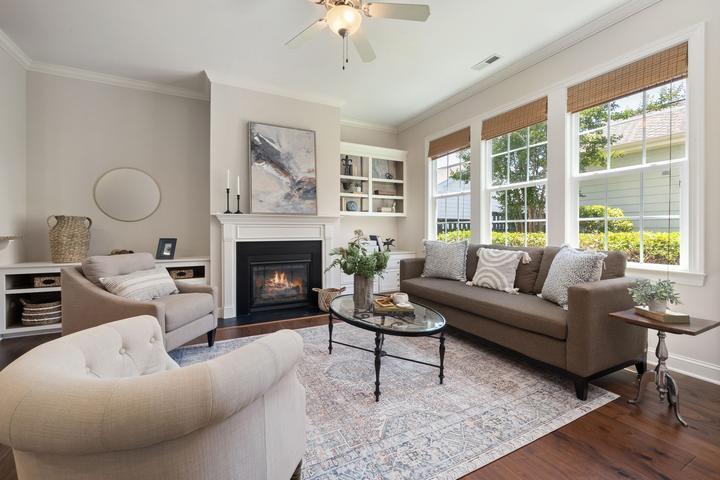



- Hurricane and Storm Damage Chimney RepairAssess storm-related chimney concerns and distinguish temporary protection from permanent component repair.
- Smoke Chamber RepairRepair identified smoke-chamber surfaces with the access and material requirements clearly defined.
- Ventless Gas Fireplace ServiceService the identified vent-free appliance without bypassing its required safety components.
- Wood-Burning Fireplace Insert InstallationFit a wood-burning insert after assessing its host fireplace and full connection requirements.
We received your request
Our team will contact you to arrange your inspection.
Chimney & Fireplace Brands We Work With

DuraVent 
Olympia Chimney and Venting 
Copperfield Chimney Supply 
Rutland 
Heatilator 
Heat & Glo